
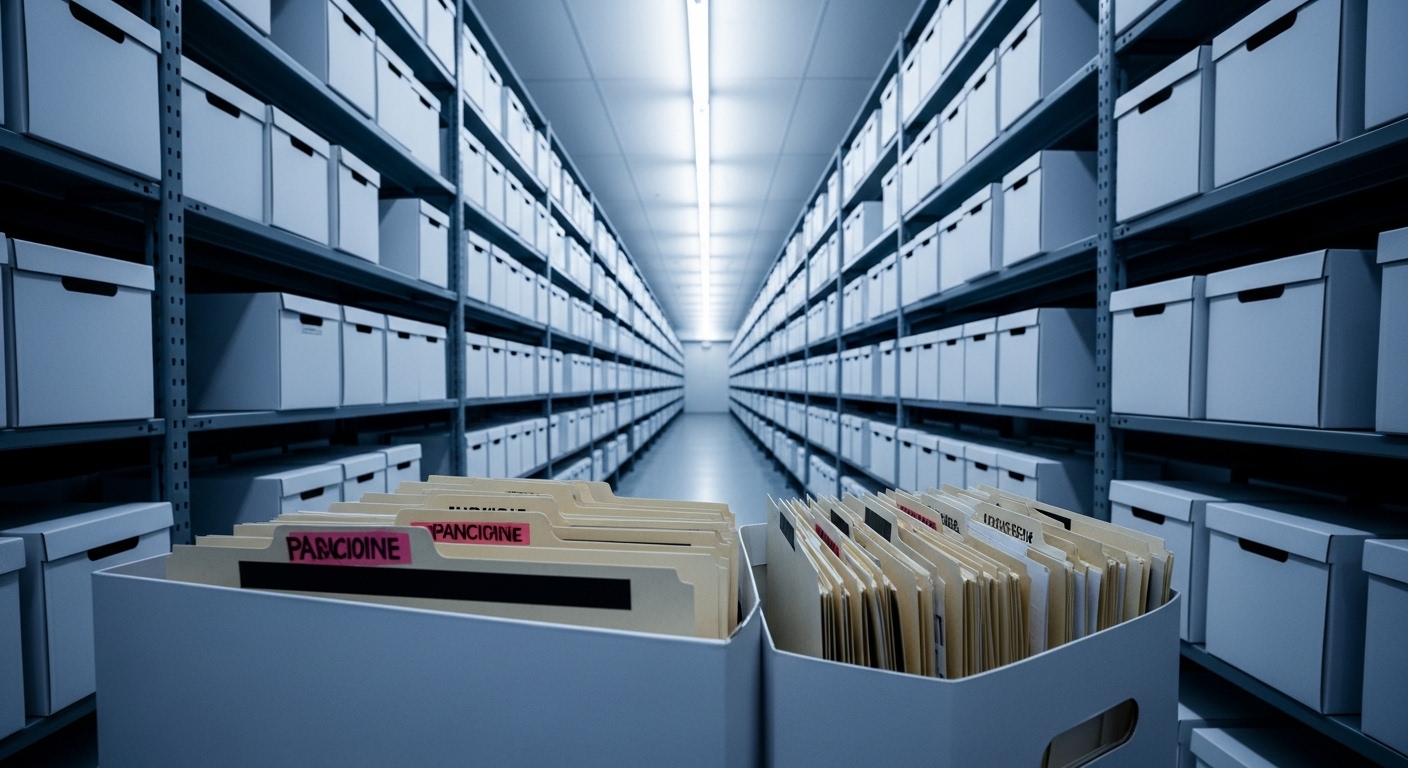
On January 30, the Department of Justice finalized a production of 3.5 million pages of documents, 2,000 videos, and 180,000 images, effectively ending a decades-long game of hide-and-seek with the American public. This final wave of disclosures, mandated by the epstein files 2026 transparency legislation, represents more than just a legal fulfillment; it is a clinical autopsy of a network that operated in the sunlight while shielded by the shade of immense social capital.
The sheer scale of the release is difficult to hold in the mind. If printed and stacked, these pages would tower over most mid-sized skyscrapers. Yet, the weight of the material isn't found in its physical volume, but in the mundane details of how power protects its own. The records span five primary investigations, including the early Florida inquiries, the FBI’s long-term monitoring, and the final, grim reports surrounding the 2019 death in a New York jail cell.
The mechanism of institutional silence
What the latest files reveal is not a single "smoking gun," but rather a thousand small candles of evidence that illuminate a culture of looking away. Internal emails from the FBI suggest that the bureau was tipped off about the underlying crimes nearly a decade before the first major arrest in Palm Beach. The documents track a pattern where credible leads were often buried under the bureaucracy of high-level legal negotiations.
Perhaps the most striking element of the 2026 release is the inclusion of "gatekeeper" testimony. Depositions from former household staff and administrative assistants describe a rigid hierarchy where silence was the primary currency. These individuals, often bound by non-disclosure agreements, acted as the vital infrastructure for a global operation. The files show how travel logs and scheduling calendars were maintained with the precision of a multinational corporation, all to facilitate a cycle of abuse that thrived on its own efficiency.
The names behind the redactions
While the Department of Justice has been criticized for the heavy use of black ink in some sections—most notably a 119-page grand jury file that was released entirely redacted—the unmasked portions have been revelatory. The files include correspondence with some of the most influential figures in technology, finance, and global politics. These interactions range from the purely social to the vaguely transactional, showing how a disgraced financier maintained a seat at the table of global influence long after his initial conviction.
Notable figures mentioned in the recent tranches include:
- Technology Executives: Emails regarding travel arrangements and social gatherings that continued well into the 2010s.
- International Royalty: New photographs and witness statements that further complicate existing legal narratives.
- Academic Liaisons: Records of donations and meeting requests aimed at laundering a reputation through the prestige of higher education.
The ranch and the reality of Zorro
A significant portion of the latest release focuses on the "Zorro Ranch" in New Mexico. For the first time, the public has access to thousands of photos seized during federal raids, depicting the sprawling 10,000-acre estate. The images show a vintage caboose, a 26,000-square-foot mansion, and evidence of a self-sustaining compound designed for isolation. More importantly, the files include interviews with survivors who describe the ranch not as a retreat, but as a site of systematic recruitment and exploitation.
The New Mexico files also highlight a failure of local and federal coordination. Despite years of activity, the ranch was rarely subject to the level of scrutiny afforded to less prominent properties. This lack of oversight is a recurring theme throughout the 3.5 million pages: a belief that certain gates are simply too heavy to be opened by standard law enforcement procedures.
Where the paper trail ends
The release of the files in early 2026 does not signal the end of the story, but rather a transition from discovery to analysis. Legal scholars and victim advocates are already using the data to fuel a new wave of civil litigation. Since the primary actor is no longer available for prosecution, the focus has shifted entirely to the "enablers"—the banks that ignored suspicious transactions, the lawyers who drafted the non-disclosure agreements, and the associates who facilitated the travel of minors.
As the public sifts through the millions of digital pages now available on government servers, the lasting impact may be a fundamental shift in how we view the "private" lives of the powerful. Secrecy, once viewed as a perk of the elite, is increasingly seen as a red flag for institutional rot. The 2026 disclosures suggest that while the law may be slow, the paper trail is eventually permanent.
Frequently Asked Questions
How many pages were actually released in the 2026 files?
The Department of Justice released approximately 3.5 million pages in total, including over 2,000 videos and 180,000 images, as part of the final compliance with the transparency act.
Are there still redacted names in the documents?
Yes. While the DOJ stated that "politically exposed persons" and public officials were not redacted, the names of victims and their families have been blacked out to protect their privacy and safety.
Where can the public view these files?
The documents have been made available through a searchable portal on the Department of Justice website, though the sheer volume of traffic has caused intermittent technical issues since the January 30 release.
What is the significance of the 119-page redacted file?
One specific file related to a New York grand jury was released with every page entirely blacked out. This has led to significant political tension and calls for a "Special Master" to review the redactions for potential overreach.



Comments
0 commentsLeave a Comment
No comments yet. Be the first to share your thoughts!