
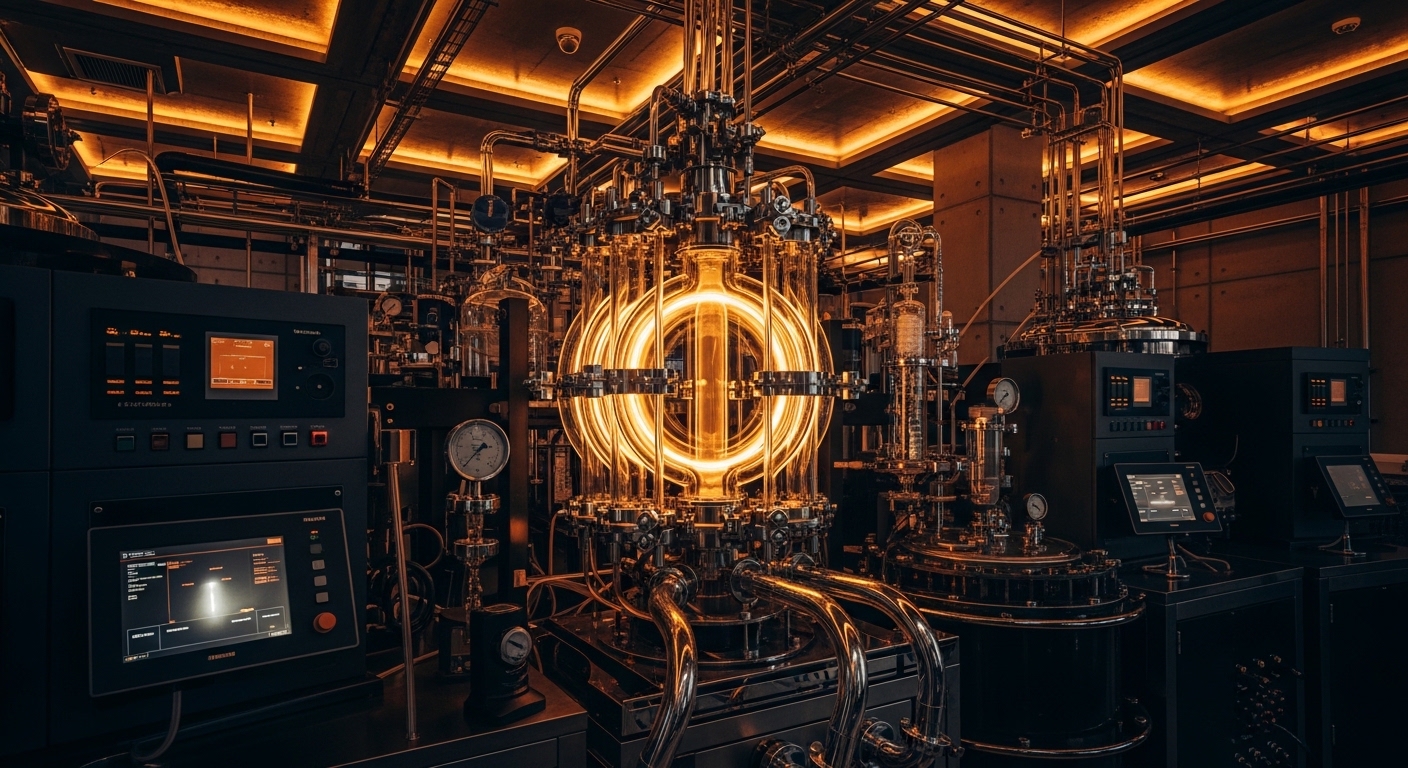
Exactly 12.1 milligrams of gold per kilogram of incinerated bottom ash is the baseline figure driving a new industrial logic in the Gulf. What was once dismissed as a toxic byproduct of urban life is being reclassified as a high-density ore. The Dubai Gold Trash Recovery initiative is no longer a localized pilot; it is a scaled operation integrated into the city's Integrated Waste Management Strategy 2041, turning the grit of the Gold Souk’s drainage and the city's sewage into a literal revenue stream.
The mechanics of urban mining
The process begins at the Warsan facility, the world’s largest waste-to-energy plant, where five incineration lines treat 5,666 tonnes of waste per day. While the primary output is 220 megawatts of electricity—enough to power 135,000 homes—the secondary output is bottom ash. This ash contains a high concentration of ferrous and non-ferrous metals that survived the thermal treatment. By employing magnets and eddy-current separators, the facility isolates these metals before they ever reach a landfill.
Beyond solid waste, the recovery extends to the Al Aweer plant, where grease trap waste from over 1,000 commercial kitchens is processed. The "Envirol" project uses acidic leaching and tributyl phosphate (TBP) extraction to pull gold directly from biosolid sludge. Recent technical benchmarks show that the yield can reach up to 0.012 mg of gold per gram of biomass. While these numbers seem microscopic, the sheer volume of a city of 3.6 million people makes the aggregate recovery economically viable.
The digital tracking layer
Recovery isn't just a chemical challenge; it is a logistical one. Dubai Municipality recently launched "RASID," a satellite-based system that monitors waste collection vehicles in real time. This digital twin technology allows authorities to trace the origin of specific waste batches. This came to the forefront recently when a pouch of gold worth Dh50,000 was accidentally discarded in a residential bin; using the city's waste tracking data, the police and sanitation teams were able to identify the specific truck and batch, recovering the assets within three days.
Beyond the circular economy
The strategy is aimed at a 100% diversion of waste from landfills by 2041. By treating waste as a "seventh resource," the city is insulating itself against the volatility of the global commodities market. The recovered gold and silver are processed and reintroduced into the luxury goods sector, supported by the world’s first smart self-service lab at the Gold Souk, which uses X-ray technology and AI to verify purity in under 60 seconds.
This is not an environmental charity project. It is a hard-nosed infrastructure play that reduces the cost of raw material extraction by up to 13 times compared to traditional mining. In the high-stakes world of urban resilience, Dubai is proving that the most valuable assets might already be in the pipes.

Comments
0 commentsLeave a Comment
No comments yet. Be the first to share your thoughts!